Bringing Animals to the Shelter

JTNKS is a non-profit 501 (c) (3). We are not authorized to accept stray animals. Please contact your local animal control.

Our shelter is currently full and not accepting new turn-ins. Please reach out to your local shelter for placements.
Lost and Found Pets

Joshua Tree No-Kill Shelter cannot take in lost or found pets, but we do accept reports to help reunite Animals with their Owners.

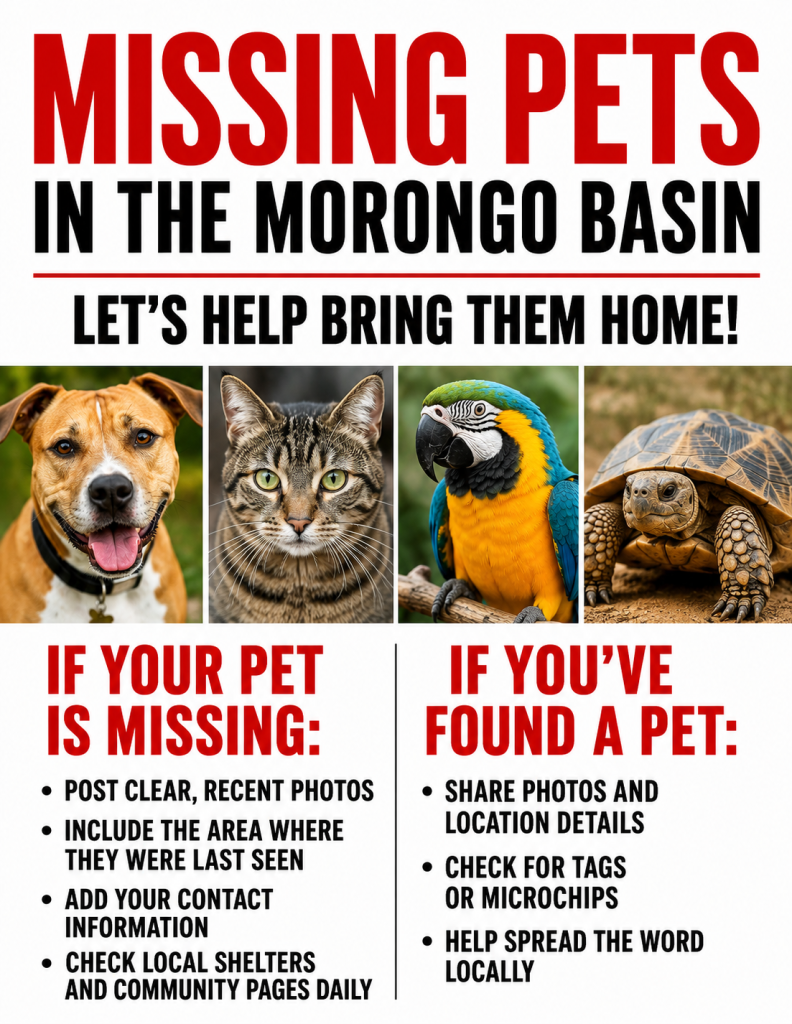
If your pet is missing:

  • Submit a Lost Pet Report with us.
  • Post your pet on Petco Love Lost using a clear, recent photo. Their facial recognition system helps match lost and found pets.
  • File a report on 24PetConnect and check listings daily.
  • Check our local FaceBook Page to see if anyone has seen your pet.

If you have found a pet:

  • Submit a Found Pet Report with us.
  • Take the pet to a vet, shelter, or fire station to be scanned for a microchip.
  • Walk your neighborhood, knock on doors, and ask if anyone recognizes the pet.
  • File "Found Reports" with Yucca Valley Animal Shelter (760-365-3111) and Palms N' Paws (29 Palms Shelter).
  • Submit a Cruising Critters Report with Z107.7 Radio.

Important: By California law, public shelters hold stray pets for at least four business days before they may be made available for adoption or transfer. Reporting quickly and checking frequently gives you the best chance of being reunited.

To all our desert travelers 🌵

Please keep an extra watchful eye on your animals while visiting the Morongo Basin. Dogs especially can get VERY excited chasing lizards, bunnies, and all kinds of desert critters out here!

We see far too many pets go missing during hikes, slipping out of Airbnb doors or gates, or getting spooked in unfamiliar surroundings. The desert is beautiful, but it can also be dangerous and disorienting for pets.

Please:

🐾 Keep pets leashed on hikes

🐾 Double check gates and doors at rentals

🐾 Make sure collars and ID tags are secure

🐾 Never leave pets unattended outside

🐾 Be mindful of heat, coyotes, and rough terrain

A little extra caution can save a life and spare a family heartbreak. Please help keep your furry travelers safe while enjoying the desert.
 

FAQ

We primarily serve the local community but do consider out-of-state adoptions on a case-by-case basis, with a thorough application and vetting process.

Yes, visitors are welcome during our open hours, Thursday – Sunday, 10AM – 3PM. Appointments are recommended for specific adoption inquiries.

Our shelter is open Thursday – Sunday, 10AM – 3PM. While appointments are not required, they are recommended for specific pets or adoption consultations.

Fees vary by age and species:

  • Adult Dogs: $150
  • Puppies: $200
  • Senior Dogs: $100
  • Adult Cats: $100
  • Kittens: $125
  • Senior Cats: $50
Fees include spaying/neutering, microchipping, vaccinations, and a free vet exam.

Approval typically takes 1-3 days after the application. It includes reference checks and, for dogs, a home visit.
A meet and greet involves bringing the potential adopter (and possibly their current pets) to meet the shelter pet in a controlled environment to observe interactions.
Adoption is a permanent commitment to a pet, while fostering is temporary care until the pet finds a forever home.
Yes, we highly recommend and can arrange meet and greets between your current pet and a potential new pet to ensure compatibility.
We provide the initial vet exam for free and may offer starter supplies. Ongoing medical expenses are typically the responsibility of the pet owner.
While we focus on the initial health and readiness for adoption, we can offer guidance and resources for emergency situations and recommend pet insurance for ongoing health care.
The length of a foster commitment can vary depending on the specific needs of each animal. Typically, it ranges from a few weeks to several months. We work closely with our foster caregivers to ensure the arrangement suits their schedule and lifestyle.
If you find yourself unable to care for your pet, please contact us. We can provide guidance on rehoming strategies or, depending on space and resources, may be able to take the pet back into the shelter. We prioritize making the transition as smooth as possible for the pet.
If you find a stray animal, please first check if it has any identification tags. If it’s safe to do so, you might try to approach and check for a microchip at a local vet or animal shelter. Contact animal control or local shelters, including ours, to report the found animal and seek further instructions.
If you suspect animal abuse, it’s important to report it to local authorities immediately. Animal welfare organizations, animal control, or the police can intervene. You can also contact us for advice on the next steps and resources available in your area.
Donations are crucial to our operation. They are used for veterinary care, shelter maintenance, food, enrichment programs for the animals, and community education efforts. We ensure that every dollar donated goes towards making a significant impact in the lives of the animals we care for.

Yes, we do adopt pets to homes with children, but we carefully consider the temperament of the pet and the household environment to ensure a good fit. We provide guidance on introducing your new pet to children and monitoring interactions to ensure safety and comfort for both the pet and your family.

While the intention is appreciated, we encourage the prospective pet owner to be directly involved in the adoption process. This ensures the best match and commitment, as adopting a pet is a significant, long-term responsibility.

All pets adopted from our shelter are up to date on vaccinations appropriate for their age and species. Dogs typically receive vaccinations for rabies, DHPP (distemper, hepatitis, parainfluenza, and parvovirus), and sometimes bordetella. Cats receive FVRCP (feline viral rhinotracheitis, calicivirus, and panleukopenia) and, in some cases, rabies vaccinations.
Yes, all pets are spayed or neutered prior to adoption. This is part of our commitment to reducing pet overpopulation and promoting the health and behavior benefits associated with these procedures.
Yes, all pets adopted from our shelter are microchipped before they go to their new homes. Microchipping is a crucial part of our commitment to pet safety and helps ensure that if your pet ever gets lost, they have a much higher chance of being returned to you. We register the microchip with your contact information, and we strongly recommend keeping that information up to date. If you move or change phone numbers, please remember to update your pet’s microchip registration. Microchipping provides a permanent form of identification that can’t be lost or removed like a collar or tags might be. It’s a simple, quick, and relatively painless procedure that can make a huge difference in reuniting lost pets with their families.

We primarily serve the local community but do consider out-of-state adoptions on a case-by-case basis, with a thorough application and vetting process.

Yes, visitors are welcome during our open hours, Wednesday to Saturday, Noon to 4 p.m. Appointments are recommended for specific adoption inquiries.

Our shelter is open Wednesday to Saturday, Noon to 4 p.m. While appointments are not required, they are recommended for specific pets or adoption consultations.

Fees vary by age and species:

  • Adult Dogs: $175
  • Puppies: $225
  • Senior Dogs: $125
  • Adult Cats: $125
  • Kittens: $150
  • Senior Cats: $75
Fees include spaying/neutering, microchipping, vaccinations, and a free vet exam.

Approval typically takes approx 1-2 weeks after the application. It includes reference checks.

A meet and greet involves bringing the potential adopter (and possibly their current pets) to meet the shelter pet in a controlled environment to observe interactions.
Adoption is a permanent commitment to a pet, while fostering is temporary care until the pet finds a forever home.
Yes, we highly recommend and can arrange meet and greets between your current pet and a potential new pet to ensure compatibility.
We provide the initial vet exam for free and may offer starter supplies. Ongoing medical expenses are typically the responsibility of the pet owner.
While we focus on the initial health and readiness for adoption, we can offer guidance and resources for emergency situations and recommend pet insurance for ongoing health care.
The length of a foster commitment can vary depending on the specific needs of each animal. Typically, it ranges from a few weeks to several months. We work closely with our foster caregivers to ensure the arrangement suits their schedule and lifestyle.

If you find yourself unable to care for your pet, please contact us. We can provide guidance on re-homing strategies or, depending on space and resources, may be able to take the pet back into the shelter. We prioritize making the transition as smooth as possible for the pet.

If you find a stray animal, please first check if it has any identification tags. If it’s safe to do so, you might try to approach and check for a microchip at a local vet or animal shelter. Contact animal control or local shelters, including ours, to report the found animal and seek further instructions.

Dogs and/or cats can be taken to your local public animal shelter where they have safe, secure, drop off kennels. Animals are not kept in those kennels for long periods of time. All drop-off’s are under video surveillance with in-call staff 24/7, so they will get the animal secure in a timely manner.

If you suspect animal abuse, it’s important to report it to local authorities immediately. Animal welfare organizations, animal control, or the police can intervene. You can also contact us for advice on the next steps and resources available in your area.

Donations are crucial to our operation. They are used for veterinary care, shelter maintenance, food, enrichment programs for the animals, and community education efforts. We ensure that every dollar donated goes towards making a significant impact in the lives of the animals we care for.

Yes, we do adopt pets to homes with children, but we carefully consider the temperament of the pet and the household environment to ensure a good fit. We provide guidance on introducing your new pet to children and monitoring interactions to ensure safety and comfort for both the pet and your family.

All pets adopted from our shelter are up to date on vaccinations appropriate for their age and species. Dogs typically receive vaccinations for rabies, DHPP (distemper, hepatitis, parainfluenza, and parvovirus), and sometimes bordetella. Cats receive FVRCP (feline viral rhinotracheitis, calicivirus, and panleukopenia) and, in some cases, rabies vaccinations.

Yes, all pets are spayed or neutered prior to adoption. This is part of our commitment to reducing pet overpopulation and promoting the health and behavior benefits associated with these procedures.
Yes, all pets adopted from our shelter are microchipped before they go to their new homes. Microchipping is a crucial part of our commitment to pet safety and helps ensure that if your pet ever gets lost, they have a much higher chance of being returned to you. We register the microchip with your contact information, and we strongly recommend keeping that information up to date. If you move or change phone numbers, please remember to update your pet’s microchip registration. Microchipping provides a permanent form of identification that can’t be lost or removed like a collar or tags might be. It’s a simple, quick, and relatively painless procedure that can make a huge difference in reuniting lost pets with their families.

We primarily serve the local community but do consider out-of-state adoptions on a case-by-case basis, with a thorough application and vetting process.

Yes, visitors are welcome during our open hours, Tuesday to Saturday, Noon to 4 p.m. Appointments are recommended for specific adoption inquiries.
Our shelter is open Tuesday to Saturday, Noon to 4 p.m. While appointments are not required, they are recommended for specific pets or adoption consultations.

Fees vary by age and species:

  • Adult Dogs: $150
  • Puppies: $200
  • Senior Dogs: $100
  • Adult Cats: $100
  • Kittens: $125
  • Senior Cats: $50
Fees include spaying/neutering, microchipping, vaccinations, and a free vet exam.

Approval typically takes 1-3 days after the application. It includes reference checks and, for dogs, a home visit.
A meet and greet involves bringing the potential adopter (and possibly their current pets) to meet the shelter pet in a controlled environment to observe interactions.
Adoption is a permanent commitment to a pet, while fostering is temporary care until the pet finds a forever home.
Yes, we highly recommend and can arrange meet and greets between your current pet and a potential new pet to ensure compatibility.
We provide the initial vet exam for free and may offer starter supplies. Ongoing medical expenses are typically the responsibility of the pet owner.
While we focus on the initial health and readiness for adoption, we can offer guidance and resources for emergency situations and recommend pet insurance for ongoing health care.
The length of a foster commitment can vary depending on the specific needs of each animal. Typically, it ranges from a few weeks to several months. We work closely with our foster caregivers to ensure the arrangement suits their schedule and lifestyle.
If you find yourself unable to care for your pet, please contact us. We can provide guidance on rehoming strategies or, depending on space and resources, may be able to take the pet back into the shelter. We prioritize making the transition as smooth as possible for the pet.
If you find a stray animal, please first check if it has any identification tags. If it’s safe to do so, you might try to approach and check for a microchip at a local vet or animal shelter. Contact animal control or local shelters, including ours, to report the found animal and seek further instructions.
If you suspect animal abuse, it’s important to report it to local authorities immediately. Animal welfare organizations, animal control, or the police can intervene. You can also contact us for advice on the next steps and resources available in your area.
Donations are crucial to our operation. They are used for veterinary care, shelter maintenance, food, enrichment programs for the animals, and community education efforts. We ensure that every dollar donated goes towards making a significant impact in the lives of the animals we care for.

Yes, we do adopt pets to homes with children, but we carefully consider the temperament of the pet and the household environment to ensure a good fit. We provide guidance on introducing your new pet to children and monitoring interactions to ensure safety and comfort for both the pet and your family.

While the intention is appreciated, we encourage the prospective pet owner to be directly involved in the adoption process. This ensures the best match and commitment, as adopting a pet is a significant, long-term responsibility.

All pets adopted from our shelter are up to date on vaccinations appropriate for their age and species. Dogs typically receive vaccinations for rabies, DHPP (distemper, hepatitis, parainfluenza, and parvovirus), and sometimes bordetella. Cats receive FVRCP (feline viral rhinotracheitis, calicivirus, and panleukopenia) and, in some cases, rabies vaccinations.

Yes, all pets are spayed or neutered prior to adoption. This is part of our commitment to reducing pet overpopulation and promoting the health and behavior benefits associated with these procedures.
Yes, all pets adopted from our shelter are microchipped before they go to their new homes. Microchipping is a crucial part of our commitment to pet safety and helps ensure that if your pet ever gets lost, they have a much higher chance of being returned to you. We register the microchip with your contact information, and we strongly recommend keeping that information up to date. If you move or change phone numbers, please remember to update your pet’s microchip registration. Microchipping provides a permanent form of identification that can’t be lost or removed like a collar or tags might be. It’s a simple, quick, and relatively painless procedure that can make a huge difference in reuniting lost pets with their families.